
Tree Trimming
Tree Trimming Services in West Farmington, Ohio
Expert tree care to enhance health, safety, and beauty of your property
Troyers Tree Service LLC provides professional tree trimming services in West Farmington, Ohio and surrounding areas, including Warren, Solon, Chagrin Falls, and nearby communities. Our team combines precision pruning with deep knowledge of tree health to keep your trees strong, safe, and visually appealing. From removing hazardous limbs to shaping overgrown trees, we ensure your landscape looks its best while promoting long-term tree vitality.
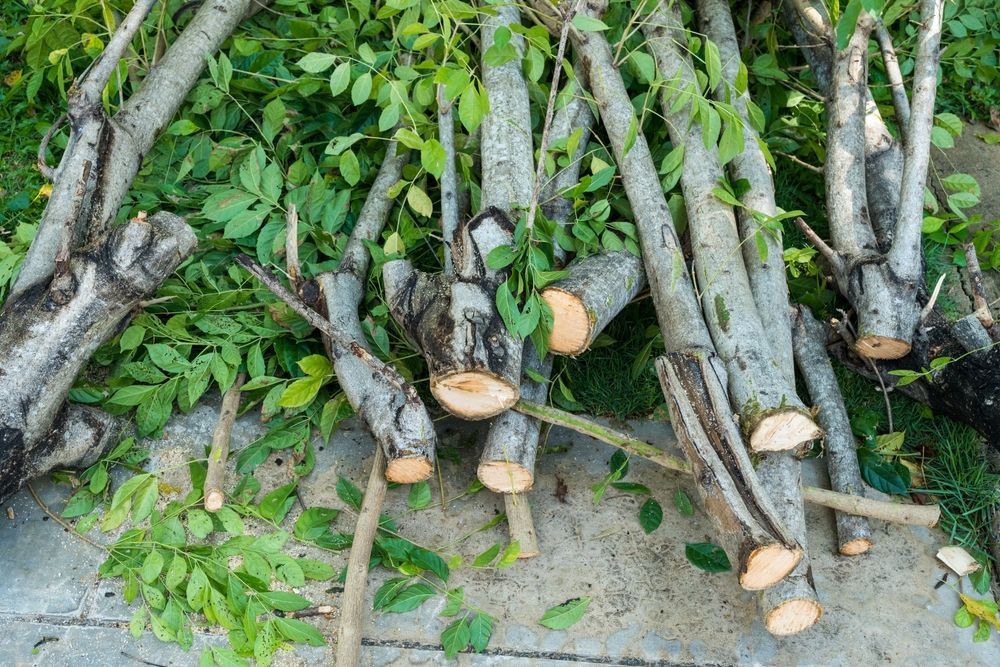
Comprehensive Tree Trimming Solutions
Our tree trimming services are designed to improve tree health, prevent property damage, and enhance curb appeal. We tailor each trimming plan to the unique needs of your trees, focusing on both aesthetics and structural integrity. Our services include:
- Trimming dead, diseased, or damaged limbs to prevent hazards
- Removing branches that block homes, driveways, or electrical lines
- Thinning tree canopies to improve airflow and sunlight exposure
- Custom trimming plans for different tree types including oaks, maples, fruit trees, and evergreens
- Seasonal scheduling to ensure pruning is done at the optimal time for each species
If you need professional tree trimming in West Farmington, OH, contact Troyers Tree Service LLC today to schedule your service and keep your trees healthy, safe, and beautiful year-round.
Frequently Asked Questions
See some common questions and answers below or call us on
(440) 251-9436
How often should trees be trimmed for optimal health?
For most tree species, trimming should be done every 3 to 5 years to maintain their health and structure. However, fast-growing trees may require more frequent trimming, annually or biannually. It's essential to consider the tree's species, age, and health when determining the trimming schedule to ensure optimal growth and vitality.
Can trimming a tree prevent diseases?
Yes, strategic trimming can help prevent the spread of diseases in trees. By removing diseased, dead, or dying branches, you reduce the risk of infection spreading to healthy parts of the tree. Proper trimming also improves air circulation and sunlight exposure, creating a less favorable environment for disease proliferation.
What's the best time of year to trim trees?
The ideal time for tree trimming varies by species but generally falls during the dormant season, from late fall to early spring. Trimming during dormancy minimizes stress on the tree and reduces the risk of attracting pests or diseases that are more active in warmer months. Some exceptions include trees that bloom in early spring; these should be trimmed immediately after flowering.
How can I tell if my tree needs trimming?
Signs that your tree may need trimming include dead or hanging branches, branches that cross or rub against each other, and limbs that are close to or touching buildings or power lines. Additionally, if the tree's canopy is overly dense, blocking light and air circulation, it may benefit from thinning.
Does tree trimming require special equipment?
Effective tree trimming often requires specialized equipment, such as pruning shears for small branches, loppers for medium-sized limbs, and saws or chainsaws for larger branches. For high or hard-to-reach areas, equipment like pole saws, ladders, or even aerial lifts may be necessary. Using the right tools is crucial for the safety of the trimmer and the health of the tree.